I have always told my husband that I would rather deal with physical pain versus mental pain. The same goes for mental exhaustion.
For me, mental exhaustion hits a different level of unsteadiness than physical exhaustion does. When I can’t think through what to add to the grocery list, or how to respond when someone asks me a question, or even what my schedule should be for the day (I’m a schedule person…it’s a deal breaker if I can’t create one), my mind feels like it’s swaying unsteadily on a boat, lost in thought and unable to pull itself together.
The mental load of always being “on” for the care of my body wears me out. I can’t have a day off from being attentive to its needs otherwise everyone suffers (as I tend to easily slide into flare ups when I quit trying to care for my body, and that leaves everyone needing to care more for me.)
I know my husband feels the same weight of always being “on.” It’s just a different load. He has so much to juggle to keep our family balanced and cared for that he, too, often struggles with mental exhaustion.
I wanted to explore these differences and be open about what it’s like so you and your partner feel like you’re not alone if mental exhaustion has really hit your lives before, or even currently. Once you’re finished reading, at end of this post I’ve included a Free PDF Download to help you and your partner uncover, identify and understand each other better in the mental exhaustion you are experiencing.
.
The Chronically Ill Partner
If I could describe what it’s been like for me to live with debilitating chronic illnesses for 10 years now, I would leave it to one word: chaotic.
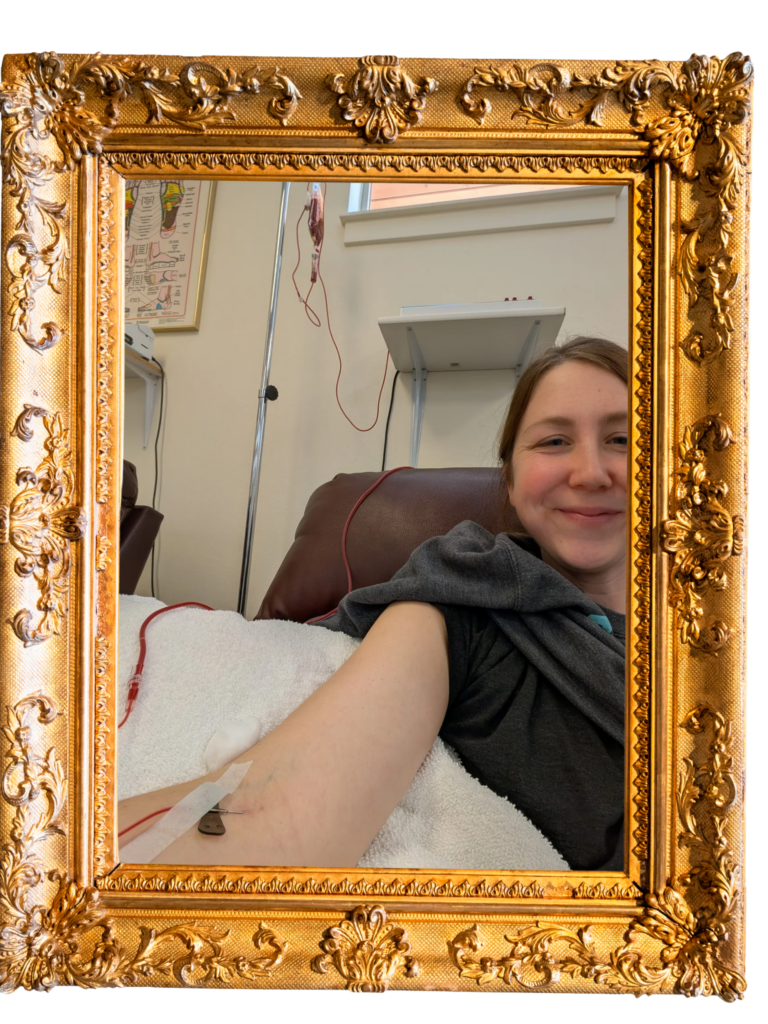
My soul exists within a system that is highly unpredictable; I can never determine what my day, week, or month will look like. I am trapped within skin that doesn’t want to cooperate with my dreams, goals or desires. Shoot, it doesn’t even want to cooperate with how much water I drink, or how far I drive, or the temperature of the air. Attempting to predict my body is a constant internal, mental struggle.
That’s not to say that after 10 years I haven’t figured out a few patterns, but nothing about the health of my body has an established routine and I must always remain aware to prevent “further damage”.
It requires me to daily calculate my energy like currency; “if I do this now, what will it cost me later?” To an average person, that may sound like “Yeah, we’re all tired at the end of the day. We all have to determine if we want to push ourselves to accomplish more tasks…”
.
No, that’s not it at all. I have to make a weighted choice in every little decision of my day. It’s choosing between using a wheelchair or choosing to walk due to what I have going on the rest of the day, it’s between eating food or skipping my grocery errand if the atmospheric pressure isn’t right for me to drive safely, it’s between taking my kids to the park to run out their energy before church while ultimately risking if I even make it to church in general due to the energy spent to get there, it’s about constantly pacing my tasks for the day so I can just make it to the next day without having to be in bed. The CONSTANT calculations would drive any sane person mad (good thing I’m not sane…bad joke.)
And then there’s the ceaseless monitoring of my symptoms. There is never an option to just “check out” for the day and eat, drink and do whatever I want. If I begin to feel a burning in my brain, I have to get home. If my chest starts to ache too much, I have to go to the doctor to make sure its not another infection. If my spine begins to feel sore, I need to prepare my plans for another flare up. There are days when it’s crucial I track my heart rate, blood pressure, oxygen saturation, log my seizures, track my food and on and on because it’s understanding the pattern of symptoms that’ll help me crawl out of a flare.
And don’t even get me started on the mental load it took to figure out my Flare Pattern in the first place.
There’s also the mental load of having to pony-up and choose to experience pain so I don’t miss out on important events, or stay home – far from pain – but also far from feeling like a present mother or wife.
Pain is a constant companion and learning to remain as functional as possible is a skill that only the chronically ill understand.
When you include the mental exhaustion of caring for a chronically ill body and mix them with plans your family wishes to make, that becomes a whole other ordeal that can be frustrating for everyone involved.
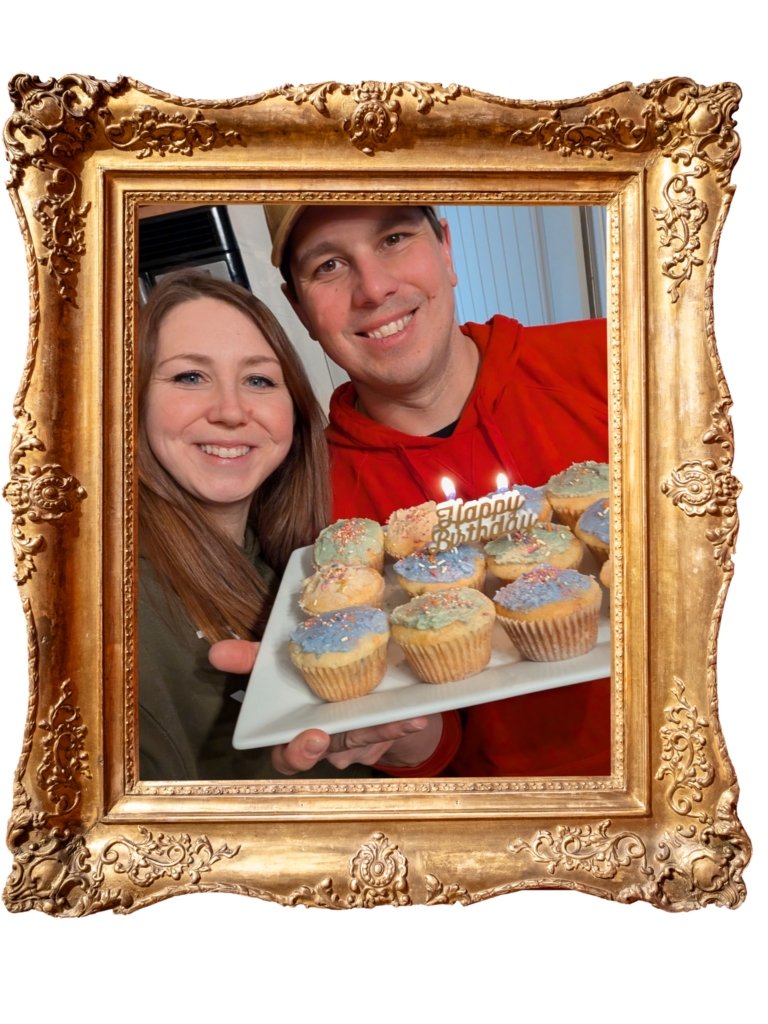
Just today my husband and I were trying to see if we could attend a hockey game for his birthday this weekend; something we haven’t done in many, many years due to the progression of my symptoms. Of course, because I love him, I wanted to make it happen without a second thought, but in reality we had to discuss thoroughly how the whole thing would go.
I would need 1. earplugs to insert into my ears as well as noise-cancelling headphones to preserve my nervous system in the crowded, loud arena 2. I would need to bring and use my oxygen for both the car ride and the game to reduce the symptoms that would arise from noise, stimuli and the physical forces from driving 3. I would need my wheelchair because walking in that space would be too much which means that 4. we would need to purchase wheelchair accessible seats in the arena 5. I would need to make sure I ate plenty before the game since I would not be able to purchase anything from concessions without likely having an allergic reaction. 6. I would need to take at least one break in the middle of the game to lay down somewhere to drain the blood from my brain 7. we would be pushing the limits of my body with how late the game was going to go 8. I would likely have a rough night of sleep due to the stimuli which would lead to increased symptoms the following day 9. he will be working the day after the game so my exhausted body would be left to care for he kids alone at home (which doesn’t happen. I don’t put that on them), which would likely lead to a flare and 10. the real straw that broke this idea apart was the fact that in the morning of the hockey game, I am scheduled for a Tilt Table Test and will likely be too exhausted from that to even have the strength to make it to the hockey game and push the limits of my body in the first place.
Oof.
This was how much had to be discussed for ONE IDEA, and in the end, we had to choose not to go because the risks outweighed the benefits.
But the guilt is eating me.
I want to be well enough to give my caring husband what he wants for his birthday.
I don’t want to need the care I require to remain “well-enough.”
Looking over the list I just wrote above, it should be no surprise how real mental exhaustion is for those with chronic illnesses.
The illness isn’t only physical, it occupies my mental space every day.
And so much of living this way looks like rest, when it is rarely that at all. Chronic illnesses rob a lot from the body, but not without leaving its mark on the mind as well.
.
The Healthy Partner
In a mixed-ability relationship, the mental exhaustion hits deep for the healthy partner as well.
A loving caregiver is constantly anticipating needs before they are spoken. This anticipation becomes wired into their nervous system as they both consciously and subconsciously monitor symptoms, energy levels and subtle changes in their partners body language and behavior.
They also must remain rather available for any needs verbally requested by their partner. Needs for their significant other’s health don’t always arise when it’s convenient, when they’re feeling well, when they have the energy for it – often the healthy partner is pushing aside their needs to help with the needs of the chronically ill.
I remember once that my husband had to get two infected teeth extracted because of the chronic sinus infections they were causing. This decision to get his teeth pulled was unplanned and happened to be when I was in the middle of a large flare up. He was in quite a bit of pain, but he wasn’t able to fully kick his feet up and rest for the day because I was laid up in bed. He had to care for the kids needs and mine while nursing his own pain; it wore on him physically and mentally. His strength amazes me and he got on with it without much complaint, but that level of grit is hard to find sometimes when life keeps piling on so many difficult tasks and tough decisions.
(And just know that I would have welcomed a discussion if he needed it to support him the best ways I could if it all felt too heavy. No one has to “tough it out” if they need space to express the weight they’re carrying).
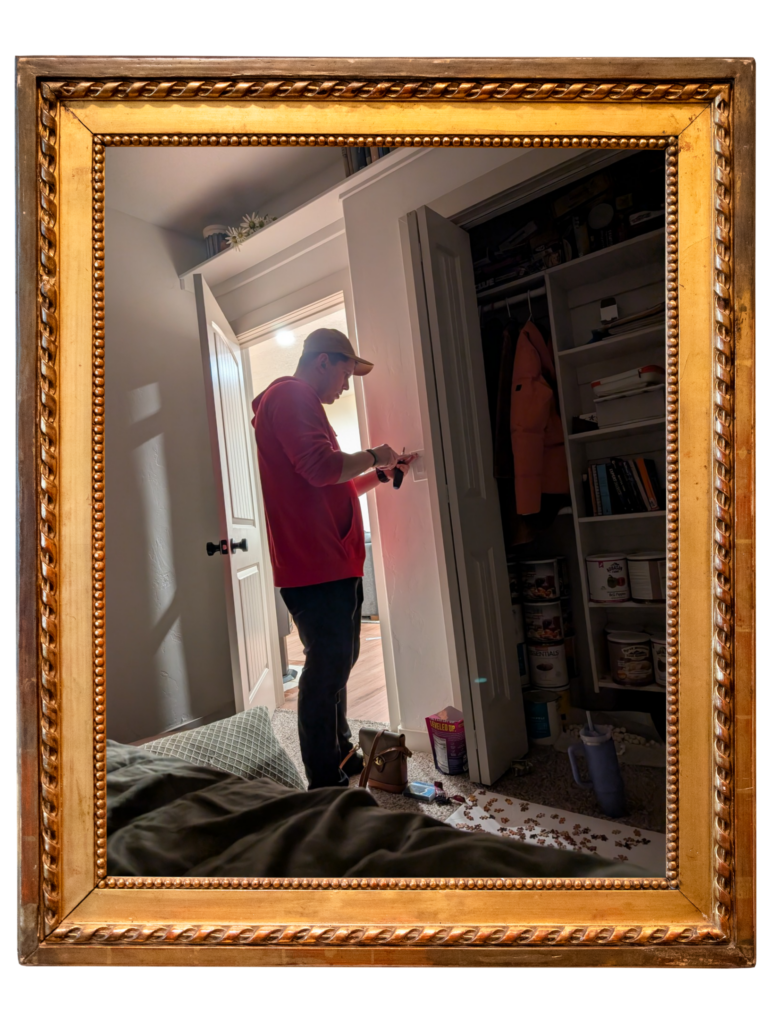
The mental exhaustion of the Healthy Partner extends to mentally preparing for Bad Health Days. They calculate how to better help with future flare-ups, what to do if they need to call out of work again, plan for safety if they happen to not be home, how to aid their partner while still accomplishing their own tasks, and so on. Unless the Healthy Partner is a perfect nurse, these thoughts can feel cumbersome and overwhelming to sift through and create concrete action.
I often think how it takes teams of scientists to predict and create action plans for Natural Disasters, but I have one regular guy trying to predict and create action plans for the Natural Disaster that is my health, and it helps me give him grace that it’s usually messy and unformed because he really is only able to do so much as one singular person.
.
The Healthy Partner may also feel mental exhaustion creating plans B, C, D, E, F etc. to any commitments depending on what and how bad their partner’s health gets at outings or vacations.
Their minds constantly run with questions like “Can they handle this? Should we leave now or can we go a little longer? Should I offer to help, or wait until they ask so they feel independent?” The truth is the Healthy Partner lives in a state of alertness, even when nothing is currently wrong. They understand the load of flare ups on the relationship and entire family, and spend a lot of their mental energy thinking ahead to prevent their partner from experiencing more pain.
And not to get too heavy, but I know each Healthy Partner has moments of uncertainty as to the “what if’s” of the future. “What if their symptoms worsen? What if we can’t afford a future treatment? What if we have to declare bankruptcy? What if they need to go to the hospital for an emergency and I’m not there? What if they die?”
When you spell it all out, it’s no wonder the Healthy Partner gets mentally exhausted as well.
.
Conclusion
In Mixed-ability relationships, both partners are managing illness and uncertainty, just in different ways. Mental exhaustion can creep up suddenly from either partner and can cause a rift, even in very healthy relationships.
Sometimes it can be difficult to find the words and express your feelings about how your mental exhaustion has gone too far; that you need to regroup and recharge. I created the PDF below to help couples work through Mental Exhaustion together. It should never be expected that the other person “fix it” for them, but rather this is a script to help identify what’s going on, what to do about it and an opportunity to create an action plan to help prevent future burnout.
.
.
Heavy mental loads exist on both side of illness. Both partners are carrying mental weight and we hope this worksheet helps learn how to carry it together.
You’ve got this, we’ve got this.
Leave a comment below.
-Kodi


